
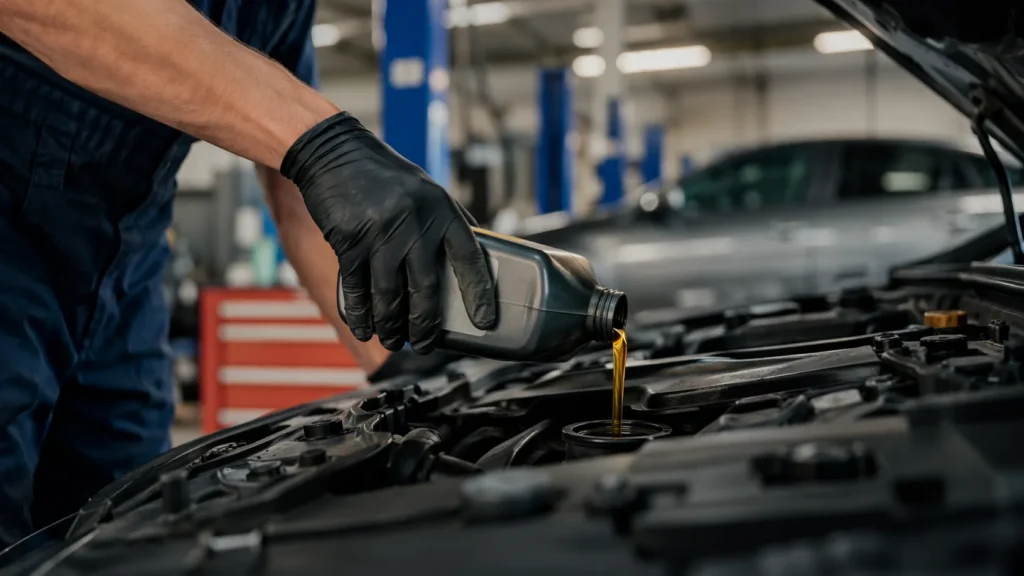
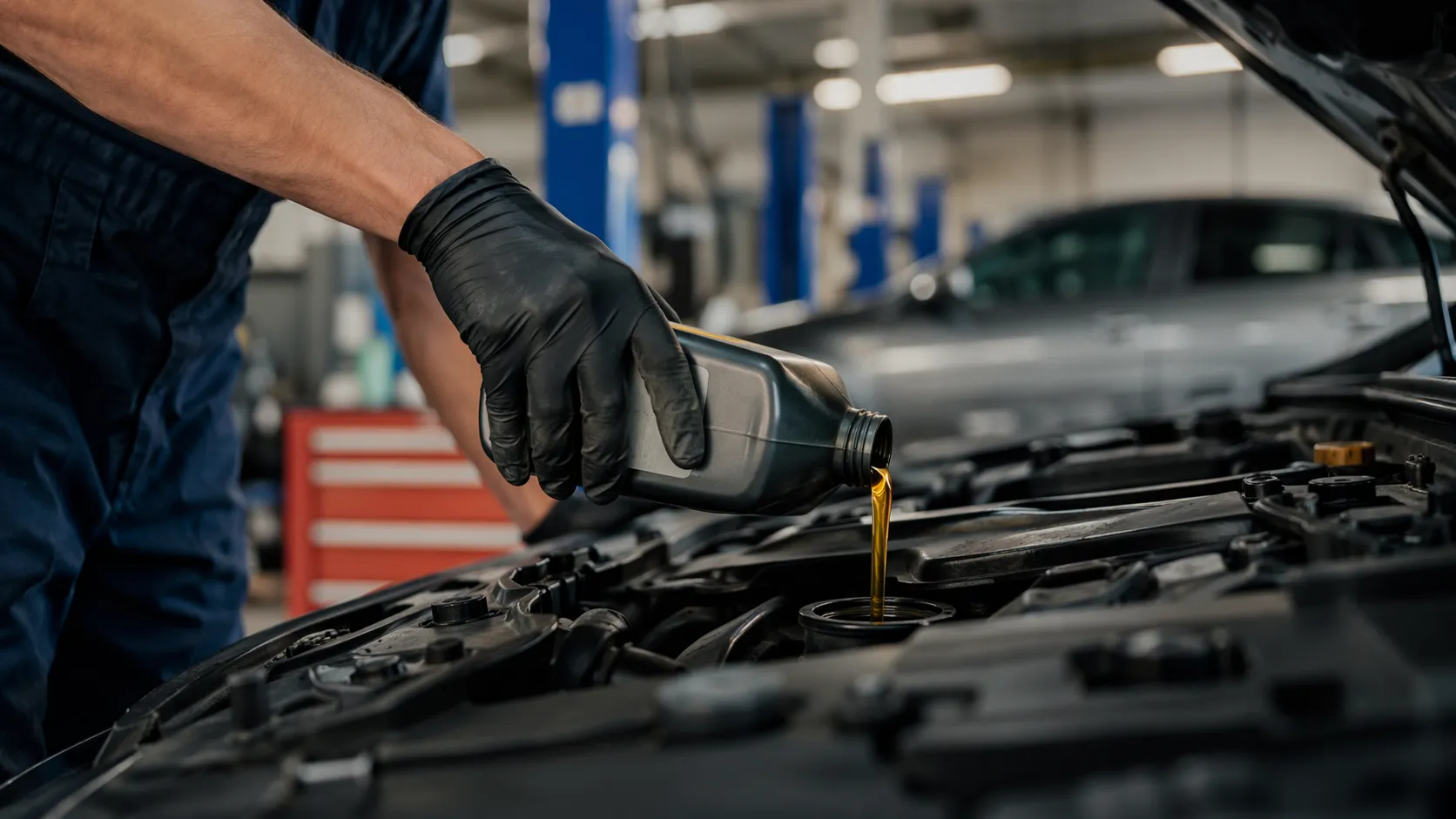
When it comes to maintaining your vehicle, few services are as simple yet as essential as regular oil changes. While it may be easy to put off, staying consistent with oil changes plays a critical role in keeping your engine running smoothly and extending the life of your vehicle.
Why Engine Oil Matters
Engine oil acts as the lifeblood of your vehicle. It lubricates moving parts, reduces friction, helps regulate temperature, and prevents harmful buildup inside the engine. Over time, however, oil breaks down and becomes less effective. Dirt, debris, and contaminants can also accumulate, turning clean oil into a thick sludge that can damage engine components.
The Benefits of Regular Oil Changes
Keeping up with scheduled oil changes provides several key benefits:
- Improved Engine Performance
Fresh oil allows your engine to run more efficiently, reducing wear and tear on internal parts. - Increased Fuel Efficiency
Clean oil reduces friction, which helps your engine operate more smoothly and use fuel more effectively. - Extended Engine Life
Regular maintenance helps prevent costly repairs and can significantly extend the lifespan of your vehicle. - Better Temperature Control
Oil helps absorb heat from the engine. When oil is old or dirty, it loses its ability to regulate temperature properly.
How Often Should You Change Your Oil?
The frequency of oil changes can vary depending on your vehicle, driving habits, and the type of oil used. While older vehicles may require oil changes every 3,000 miles, many modern engines can go 5,000 to 7,500 miles or more between services. It’s always best to consult your owner’s manual or speak with a trusted technician for recommendations specific to your vehicle.
Signs You May Need an Oil Change
Even if you’re tracking mileage, it’s important to watch for warning signs, including:
- Dark or dirty oil on the dipstick
- Engine noise or knocking sounds
- Oil change or check engine light
- Decreased performance or fuel economy
Don’t Wait Until It’s Too Late
Skipping oil changes may save a little time upfront, but it can lead to serious engine problems down the road. Routine oil changes are one of the most affordable and effective ways to protect your investment and ensure your vehicle stays reliable.
If you’re unsure when your last oil change was, now is a great time to schedule one and keep your engine running at its best.